

Protecting your privacy and relationships after an account compromise
A friend sends a screenshot. Someone is using your name. Your partner receives a message you never wrote. Then you discover that photographs you shared privately are appearing somewhere else.
At that point, changing a password feels inadequate. You want to know who has your information, how far it has traveled, and whether trying to remove it will make things worse. A useful response starts by separating the problems: unauthorized access, copied material, impersonation, and threats. Each needs attention, but they don’t all require the same solution.
Who is behind the account?
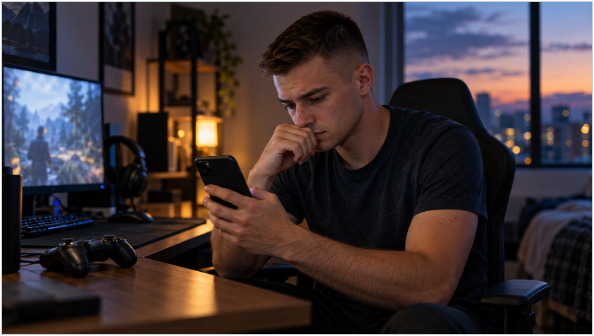
One of my Marines was targeted by an ex-girlfriend who gained access to one of his gaming accounts. She used that access to send private messages to his current girlfriend, claiming he had cheated on her. The apparent purpose was to damage his relationship and interfere with his life.
That example reminds us that a gaming account can carry real social access. The account mattered because of the people it could reach. Securing it would address the unauthorized access, while the messages and the personal targeting still needed to be taken seriously.
An opportunistic criminal may have a different objective. They might exploit a reused password, steal whatever is useful, scam the account holder's contacts, or sell stolen material. Some take what they can and move on without knowing the victim personally. The FBI describes both targets of opportunity and specific individuals, including people the offender has never met. Personal acquaintance is therefore one clue, not a requirement for targeting. [1]
These motives can overlap. An initially impersonal theft can become sustained extortion if the criminal finds something valuable. An ex-partner may use the same phishing or password techniques as a stranger. A quiet period alone cannot tell you whether someone has lost interest.
My starting questions would be practical: What did they access? What have they actually done? Are they contacting particular people, referring to private events, or returning after being blocked? Those observations are more useful than assuming every intruder is a stalker, or that every stranger will disappear.
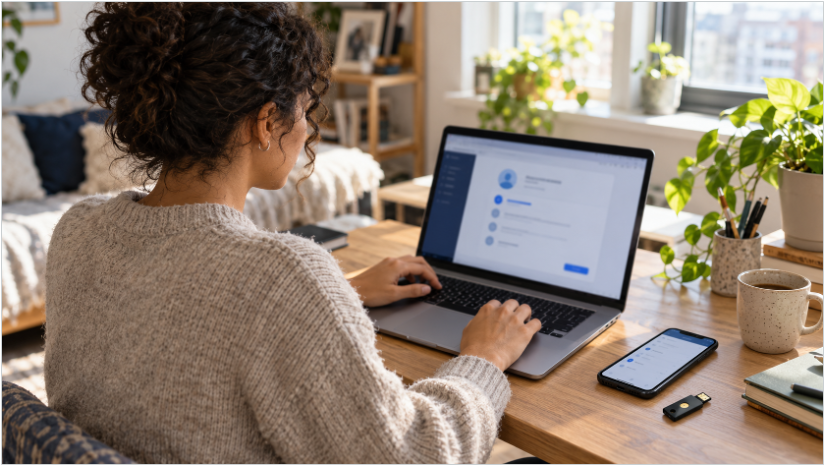
If a partner, ex-partner, or stalker may be monitoring you, use a safer device and consider the safety guidance later in this article before making changes that could alert them. Immediate personal safety takes priority over documenting an incident. [2]
Otherwise, begin through the provider's official app or recovery page. Secure the connected email account as well: someone who controls that inbox may be able to reset your other passwords. Replace compromised or reused passwords, verify recovery addresses and phone numbers, and use the explicit option to sign out other devices. Warn contacts through a channel you still control if unauthorized messages were sent. [3]
Do not assume a password change closes every route back in. Review active sessions, connected apps, delegated access, and registered authentication methods. Remove anything unauthorized. Check email forwarding and filters, shared photo albums, and location sharing where relevant. X, for example, warns that changing a password does not automatically sign out its mobile apps. The exact controls vary by service. [4]
Use passkeys where available. Where they are unavailable, use a unique password stored in a password manager and enable two-step verification. The UK's National Cyber Security Center recommends passkeys because they resist phishing. They still depend on device protection and recovery arrangements that let you use them. [5]
When safe, retain security alerts, original threatening messages, account identifiers, exact profile or post URLs, and a dated incident log. Capture relevant context before reporting material that may disappear. Some apps notify the other person when you take a screenshot; consider a safer way to document it. Keep evidence somewhere the suspected intruder cannot access, and avoid reposting it publicly. Do not delay urgent account protection to assemble a perfect record. [6]
Also update and check the devices used to sign in. If device monitoring or malware is suspected, get qualified help before resetting or wiping a device that may contain evidence. An account compromise alone does not establish that the entire phone or computer was compromised. Review what the affected account could expose, including payment methods, work information, and other people's messages. Escalate those specific exposures to the relevant bank or security team. [7]
When private photos and videos start spreading

Recovering an account can stop further access. It cannot recall files already copied to someone else's device. Material can be reposted or sold, sometimes alongside identifying information that exposes the person to further harassment. A lack of visible posts is not proof that nothing was downloaded. [8]
Start with what you can locate: the exact page, post, account, and URL. Report to the service hosting the material using the category that fits, such as intimate-image abuse, harassment, privacy, or impersonation. Keep report references and dates so you can follow up without reconstructing the incident each time. [9]
For qualifying intimate images and videos, the U.S. TAKE IT DOWN Act now provides a specific route. Since May 19, 2026, covered platforms must remove qualifying content within 48 hours after receiving a valid request and make reasonable efforts to locate and remove known identical copies. The protection includes qualifying digital forgeries. Use the platform's designated removal process, retain confirmation, and report platform noncompliance through the FTC's Take It Down portal. This is not a universal deadline for every website or every personal photograph. [10]
Search results are a separate problem. Google accepts requests concerning real or fabricated sexual content and pages wrongly associating someone with pornography, including some cases involving an ordinary nonsexual photo. Removal from Google Search does not delete the source page, direct links, or copies elsewhere. Pursue the host and search-removal routes as appropriate. [11]
Adults can use StopNCII.org for eligible intimate imagery of themselves. It creates a digital fingerprint, called a hash, on the device; the original file stays there. Participating platforms can use that fingerprint to detect and review matching uploads. Its reach is limited to participating services, and altered versions may need separate submissions. [12]
If the person was under 18 when the image was made, NCMEC's Take It Down service is the relevant option, even if they are now an adult. Do not download, forward, or ask someone to send sexual images of a minor to use them, and do not create screenshots containing that imagery. If you lack the original material, seek help through NCMEC's CyberTipline. [13]
The goal is to reduce exposure and make redistribution harder. No responsible provider can promise to erase every copy. Consent to share an image privately is not blanket consent to publish it, and the person misusing it is responsible for the abuse.
When someone creates another account in your name
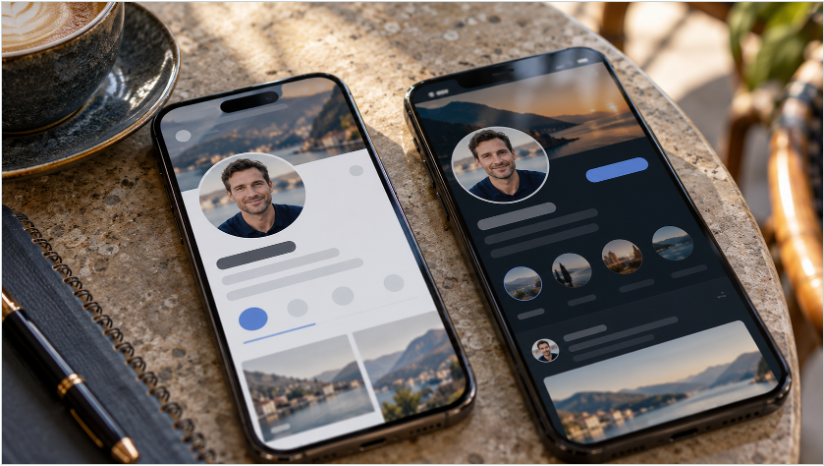
A second profile with your photograph and name does not, by itself, prove that your real account was hacked. Someone may have copied public information and built an impersonation account. Check your genuine account for unauthorized activity, but recognize that changing its password cannot remove a separate account someone else created.
The fake account can exploit relationships you already have. A friend may accept a request because the face is familiar, then believe a request for money or a damaging message. The same approach could reach a colleague, client, or romantic partner. The apparent identity gives the message credibility before anyone checks who is actually sending it.
Record the fake profile's exact handle and URL, plus relevant posts or messages. Report impersonation through the platform's official process, and separately report threats or abusive content. Platforms have different reporting requirements; X, for example, permits reports from the person impersonated or an authorized representative, while other users can flag a profile. Removal is subject to review, so keep the report reference. [14]
Tell the people most likely to be contacted through an established channel. A clear notice that a particular profile is not yours is more useful than a vague announcement that you were hacked when you don't know whether access occurred. Ask recipients to preserve suspicious messages and avoid engaging. You don’t need to circulate abusive material to explain the problem.
Reduce what an impersonator can reuse by reviewing public friend lists, contact details, and unnecessary personal information. That may reduce exposure, but a convincing profile can still be assembled from relatively little. Verify through a previously known number or another established channel, especially before sending money, sharing private information, or acting on an inflammatory claim. [15]
Retaliation and the decision to act

The fear of retaliation can make doing nothing feel safer. That concern deserves a serious assessment. You can’t resolve it by promising that an offender has moved on or assuming every takedown will provoke them.
Look at the behavior already present. Repeated contact after blocking, attempts to reach family, references to your location, or threats tied to reporting warrant particular attention. In the Marine's situation, the relationship connection and the choice of recipient pointed to a personal grievance. In another case, an offender may be seeking quick financial gain. Neither pattern establishes what the person will do next.
Where stalking or abuse is plausible, coordinate technical changes with a safety plan. NNEDV's Safety Net Project warns that some abusive people escalate when they lose access or control. A victim advocate can help plan the timing of changes, safer communications, and practical support. Review shared devices, recovery access, and location sharing with that context in mind. Do not assume a platform report will remain invisible to the offender. [16]
For financially motivated sextortion, the UK's National Crime Agency advises stopping communication, not paying, preserving evidence, and reporting. Paying does not guarantee silence and may lead to further demands. If you already paid, you can still seek help. Avoid threats, public arguments, or attempts to negotiate your way into certainty. [17]
Tell a trusted person what is happening. In the U.S., you can report online crime to IC3; the FBI also has a dedicated portal for stolen and leaked intimate content at ncii.ic3.gov. In the UK, contact local police, and UK-resident adults can seek intimate-image support from the Revenge Porn Helpline. For immediate danger, call 911 in the U.S. or 999 in the UK. [18]
Be wary of anyone who uses fear to sell a guaranteed fix or discourages you from contacting police. The FBI has warned about exploitative companies charging sextortion victims for deceptive assistance. Legitimate forensic or legal help should explain its scope and limits. Hiring a representative does not guarantee that retaliation will stop or shift to that person. [19]
How AI changes the damage

AI expands what an offender can do with an ordinary photograph or short recording. They may no longer need an authentic intimate image to threaten someone with one. The FBI has documented offenders turning benign photos and videos into fabricated explicit material for harassment and sextortion. Account security remains essential, but someone can create this material without ever entering the victim's account. [20]
AI also reduces the effort needed to produce believable messages, fake profiles, cloned voices, and deceptive video. A stranger can make contact feel more personal; a personally motivated offender can manufacture more persuasive-looking accusations. That second possibility is an inference from the capabilities, not something I am claiming occurred in the Marine's case. [21]
Imagine that same attempt to interfere with a relationship accompanied by an apparent voice recording or fabricated image. The recipient may react before checking it. That is why a familiar face, fluent message, or recognizable voice should not settle a consequential question of identity or truth.
Slow the exchange down. Contact the person through a number or channel you already know, rather than the one supplied in the suspicious message. Families can agree on a private verification phrase for urgent requests. Preserve the original suspicious message and its context instead of circulating a screenshot as proof. [22]
If synthetic intimate content depicts you, describe it as fabricated when reporting it. Google, StopNCII.org, and the TAKE IT DOWN Act have routes covering qualifying synthetic imagery; you do not have to pretend the material is authentic to ask for help. [23]
For me, the Marine's experience remains a useful reminder of what is at stake. A compromised account can reach directly into a person's relationships. A sound response protects access, limits the circulation of harmful material, and takes the human consequences seriously. If someone comes to you with this problem, help them act on what is known, verify what is uncertain, and find support without making them defend having a private life in the first place.
Notes and resources:
[1]. Federal Bureau of Investigation, “Sexual Exploitation Actors Stealing and Leaking Explicit Content,” Internet Crime Complaint Center, August 10, 2026, https://www.ic3.gov/PSA/2026/PSA260810.
[2]. National Network to End Domestic Violence, Safety Net Project, “Technology Safety Plan: A Guide for Survivors and Advocates,” 2018, accessed October 3, 2026, https://www.techsafety.org/resources-survivors/technology-safety-plan.
[3]. Federal Trade Commission, “How To Recover Your Hacked Email or Social Media Account,” August 2023, https://consumer.ftc.gov/articles/how-recover-your-hacked-email-or-social-media-account.
[4]. Google, “Secure a Hacked or Compromised Google Account,” accessed October 3, 2026, https://support.google.com/accounts/answer/6294825?hl=en; X, “Help with My Compromised Account,” accessed October 3, 2026, https://help.x.com/en/safety-and-security/x-account-compromised.
[5]. National Cyber Security Centre, “Passkeys: What You Need to Know,” accessed October 3, 2026, https://www.ncsc.gov.uk/passkeys.
[6]. National Network to End Domestic Violence, Safety Net Project, “Documentation Tips for Survivors of Technology Abuse & Stalking,” accessed October 3, 2026, https://www.techsafety.org/documentationtips.
[7]. FTC, “Recover Your Hacked Email or Social Media Account”; Google, “Secure a Hacked or Compromised Google Account.”
[8]. FBI, “Sexual Exploitation Actors”; X, “About Third-Party Apps and Log In Sessions,” accessed October 3, 2026, https://help.x.com/en/managing-your-account/connect-or-revoke-access-to-third-party-apps.
[9]. NNEDV, Safety Net Project, “Documentation Tips.”
[10]. Federal Trade Commission, “Complying With the Take It Down Act,” May 2026, https://www.ftc.gov/business-guidance/resources/complying-take-it-down-act.
[11]. Google, “Remove Personal Sexual Content from Google Search,” accessed October 3, 2026, https://support.google.com/websearch/answer/16305143?hl=en.
[12]. StopNCII.org, “Frequently Asked Questions,” accessed October 3, 2026, https://stopncii.org/faq/.
[13]. National Center for Missing & Exploited Children, “Frequently Asked Questions,” Take It Down, accessed October 3, 2026, https://takeitdown.ncmec.org/faq/; Google, “Remove Personal Sexual Content.”
[14]. X, “Report Impersonation Accounts,” accessed October 3, 2026, https://help.x.com/en/safety-and-security/report-x-impersonation.
[15]. Federal Bureau of Investigation, “Criminals Use Generative Artificial Intelligence to Facilitate Financial Fraud,” Internet Crime Complaint Center, December 3, 2024, https://www.ic3.gov/PSA/2024/PSA241203.
[16]. NNEDV, Safety Net Project, “Technology Safety Plan.”
[17]. National Crime Agency, “Financially Motivated Sexual Extortion (Sextortion),” accessed October 3, 2026, https://www.nationalcrimeagency.gov.uk/what-we-do/crime-threats/kidnap-and-extortion/sextortion.
[18]. FBI, “Sexual Exploitation Actors”; NCA, “Financially Motivated Sexual Extortion”; Revenge Porn Helpline, “Revenge Porn Helpline,” accessed October 3, 2026, https://revengepornhelpline.org.uk/.
[19]. Federal Bureau of Investigation, “For-Profit Companies Charging Sextortion Victims for Assistance and Using Deceptive Tactics to Elicit Payments,” Internet Crime Complaint Center, April 7, 2023, https://www.ic3.gov/PSA/2023/PSA230407.
[20]. Federal Bureau of Investigation, “Malicious Actors Manipulating Photos and Videos to Create Explicit Content and Sextortion Schemes,” Internet Crime Complaint Center, June 5, 2023, https://www.ic3.gov/PSA/2023/PSA230605.
[21]. FBI, “Criminals Use Generative Artificial Intelligence.”
[22]. FBI, “Criminals Use Generative Artificial Intelligence.”
[23]. Google, “Remove Personal Sexual Content”; StopNCII.org, “Frequently Asked Questions”; FTC, “Complying With the Take It Down Act.”